



Parkdale Community Legal Services

  • Increase font size
  • Default font size
  • Decrease font size
Home Academic Program The Osgoode Intensive Program

The PCLS/Osgoode Law School Intensive Poverty Law Program

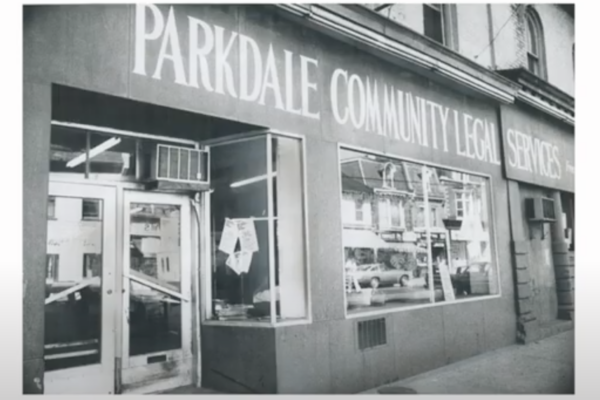
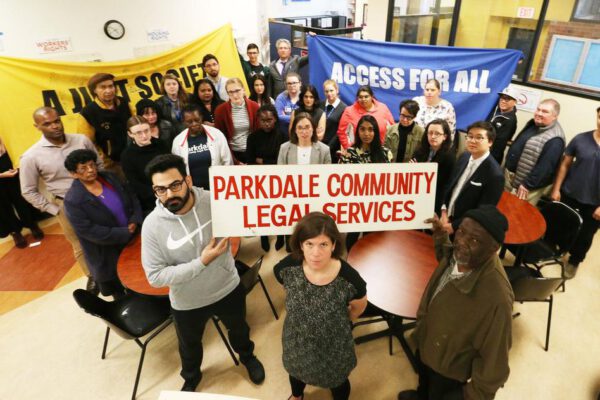
Osgoode LogoParkdale Community Legal Services was established more than thirty years ago as the first community-based legal aid clinic in Ontario. Law students have been placed with the clinic since its inception. Students accepted into the Intensive Program in Poverty Law will join over 1,300 members of the bar who have participated in this enriching and challenging experience.

You will have an opportunity to spend a term at a politically vigorous poverty law clinic where you will:

  • have hands on responsibility for developing cases and legal arguments
  • have daily opportunities to learn and develop skills in interviewing, counseling and negotiating
  • participate in community organizing, law reform or other non-traditional lawyering activities
  • engage in challenging academic research and writing

Here's what students have said about the program:

"I loved the hands on experience, and the chance I got to form strong bonds with the clients I had. Being at PCLS challenged me emotionally and intellectually, I was also given the chance to make a difference in someone's life and challenge a lot of government policy. PCLS was an awesome experience."

"The work environment is extremely collegial and intimate in its implementation allowing for the development of strong relationships between staff and students."

"Great exposure to poverty issues."

"Fantastic atmosphere -- supportive and encouraging!"

"You learn so much in 4 months!"

"I really enjoyed the interactions with clients and learning first hand about the challenges of the lawyer-client relationship."

"[I enjoyed] the ability to work in a practical environment where legal theory meshes with people's real problems."

The Program

The goals of the Intensive Program include:

  • the development of an understanding of the social phenomenon of poverty, and of its causes and effects;
  • the critical analysis of the legal system's and lawyers' responses to poverty, including questions about substantive and procedural law, the legal delivery system and issues of professional ethics; and
  • the examination and evaluation of alternative strategies for intervention by the legal system and lawyers to alleviate poverty.

Students are assigned to one of four groups for the term: social assistance, violence, and health; immigration and refugee; landlord and tenant; or workers' rights. Students are supervised by a staff lawyer, a community legal worker, and the academic director of the clinic. The ratio of students to supervising lawyers is 5:1 and students to community legal workers, 4:1. 

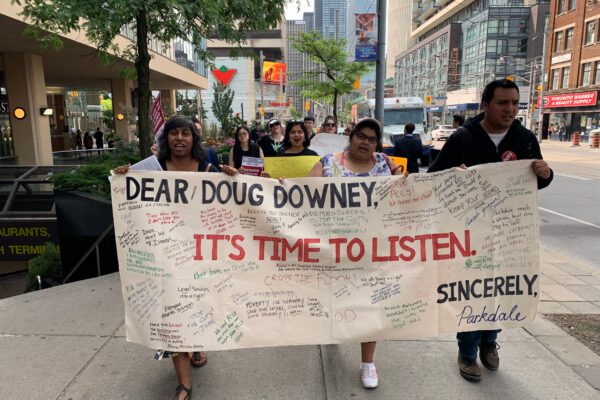
The problems facing people in Parkdale are frequently systemic.They are shaped by social, economic and political forces. That is why we integrate strategies designed to redress individual problems with those designed to facilitate broader structural reform; that is, with those designed to facilitate social change. The systemic/structural work at PCLS can take many forms including public legal education, community development, coalition building, community organizing, media strategies and law reform. We work with people in the community to identify issues and challenges that are facing them collectively as a community and to develop strategies to address these issues. Presently, at PCLS, there are a number of community projects or campaigns underway, these include: the Special Diet Campaign; Ticketbusters; Don't Ask Don't Tell; Education Rights for Undocumented Children Campaign; Drop the Fee Campaign; Coalition for Just Immigration and Refugee Policy; Ontario Needs a Raise Campaign; Lord of the Slums/Slums Unlimited' Campaign; the drive to organize public housing tenants TCHC TENANTS UNITED organizing campaign; and The Golden Cockroach Campaign (www.goldencockroach.org).

Students are expected to become involved in the clinic's work for social change. This involvement may take a variety of forms, often dependent upon where particular campaigns or other initiatives are in their life cycles. The forms of involvement can include legal and other research, outreach, support in logistics, assisting in or delivering workshops, help in drafting materials (including community legal education materials) and public speaking. Students also play a crucial role in community work because of their capacity to identify emerging issues that may need a systemic or structural response rather than or in addition to individual solutions, and test cases for law reform.

The casework is principally in areas of public (administrative) law and on occasion will involve the student in appearances before boards and tribunals. The bulk of the work entails interviewing and counseling clients and informal advocacy with government bureaucracies, landlords, and employers. Students in most divisions will usually undertake a couple of hearings (in the Landlord & Tenant Division often more than this) and all of the preparatory work for such hearings.

Social Assistance, Violence, and Health:

Students in this division work in three primary areas of law: social assistance and disability benefits; violence against women; and mental health. They advocate on behalf of clients who are often caught in the bureaucratic nightmare of the social assistance system, and represent clients at appeal hearings before the Social Benefits Tribunal on issues such as whether they meet the test to be eligible for disability benefits. They provide victim witness assistance to women survivors of violence going through the criminal courts, and represent victims of violence (including racist or homophobic assault) at the Criminal Injuries Compensation Board. They negotiate on behalf of clients involuntarily committed in psychiatric institutions or who are deemed incapable of controlling their own money.

Immigration and Refugee:

Students in the Immigration and Refugee Division assist immigrants and refugees attempting to gain status or access to services. They represent clients making refugee claims, humanitarian and compassionate applications, pre-removal risk assessment [PRRA] applications and appeals of deportation orders and sponsorship refusals. They assist PCLS clients with work and study permits, and sponsorship applications to reunite families. They work to ensure that immigrant and refugee children and youth have access to education and health coverage, and that the parents of Canadian children are not removed from Canada. They assist with judicial review applications to the Federal Court and campaigns for fair treatment of immigrants and refugees.

Landlord and Tenant:

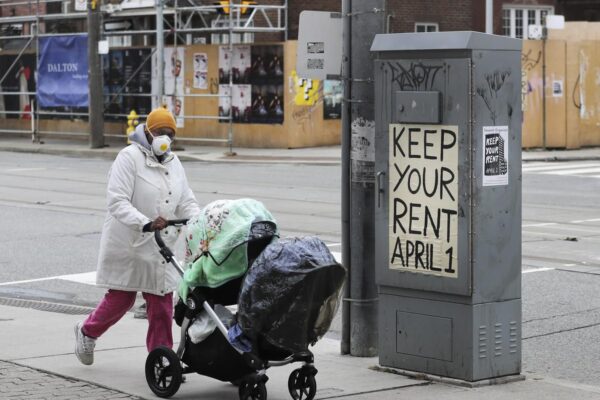
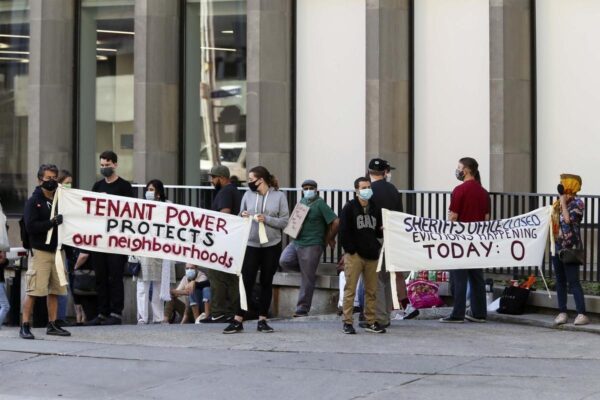
Students in the Landlord and Tenant division help clients enforce their rights as tenants. By bringing applications to the Ontario Rental Housing Tribunal, students assist clients in fighting above-guideline rent increases, harassment, illegal entries into their unit or illegal lockouts by their landlords. They help tenants deal with disrepair of their apartments, and also to enforce orders against landlords by going to small claims court. They also assist tenants in fighting landlord applications, the majority of which are applications for eviction on various grounds.

Workers’ Rights:

Workers' Rights students represent clients with a range of employment, labour, and human rights issues. They represent people who have been wrongfully dismissed or have had their basic employment standards rights violated. Students represent people whose human rights have been violated in the workplace or who have been subjected to police harassment. Students represent injured workers with Workers' Compensation or Canada Pension Plan benefit claims. Finally, students represent those who need assistance with employment insurance claims. In addition to informal representation and negotiations, students may appear in small claims court, at the Ontario Labour Relations Board, the Human Rights Commission, or in tribunals established to adjudicate Employment Insurance, Workers' Compensation, or Canada Pension Plan matters. Students frequently work on cases which are part of community based campaigns to address particular workplaces, workplace abuses, or questions of employment law reform.


Follow PCLS

FacebookFlickrTwitterFeed

Upcoming Events

There are no events at this time

Contact Us

1266 Queen Street West (map)
Toronto, Ontario
M6K 1L3

Tel (416) 531-2411
Fax (416) 531-0885

CHARITABLE REGISTRATION #1078 14972 RR0001